Analyzing Synchronization Between Digital Wallet Transfers and Access to Specialized Dealer-Led Experiences in Smartphone Applications
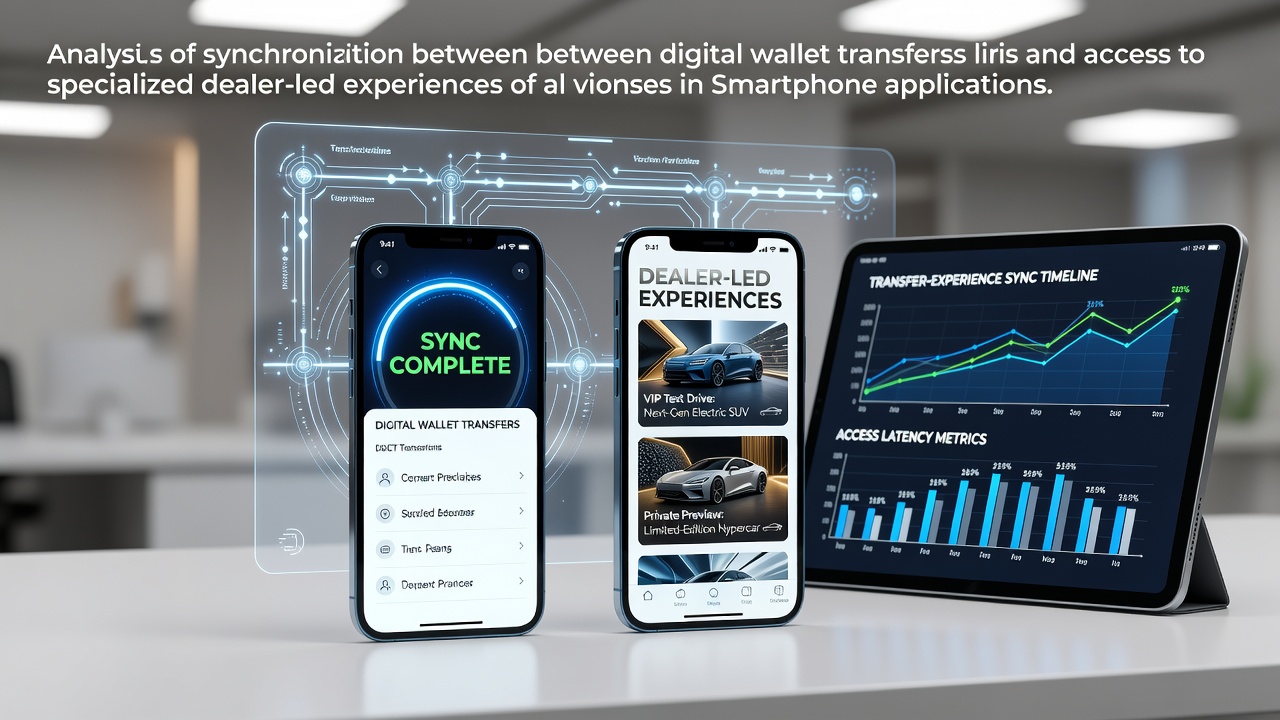
Smartphone applications that combine digital wallet functionality with live dealer sessions have expanded rapidly since the early 2020s, and synchronization mechanisms now determine how quickly users move funds into environments featuring real-time human dealers. Observers note that these systems rely on API connections between payment processors and gaming servers so that wallet balances update within seconds of a transfer, allowing immediate entry into dealer-led tables. Data from industry monitoring services indicate that transaction confirmation times average under four seconds when applications use tokenization and encrypted handshakes between the wallet provider and the app backend.
Core Technical Integration Points
Developers implement several layers to keep wallet transfers aligned with access controls. First, applications register each user session with a unique identifier that the wallet service recognizes during fund movement. Second, real-time status checks occur through webhook notifications that alert the gaming server the moment a transfer clears. Researchers at institutions studying mobile payment ecosystems have documented that these webhooks reduce latency by routing confirmation data directly to access management modules rather than polling at fixed intervals. Third, applications maintain separate ledgers for wallet activity and session credits so that any discrepancy triggers an automated reconciliation process before a user can join a dealer-led table.
Patterns Observed in 2026 User Activity
Figures released by regulatory bodies in multiple jurisdictions show continued growth in mobile gaming participation during the first half of 2026. In June 2026, transaction volume through digital wallets in licensed smartphone applications rose notably compared with the same month in 2025, according to aggregated reports from North American and European oversight agencies. Analysts tracking these patterns point out that users who complete a wallet transfer during peak evening hours gain entry to live dealer sessions at higher rates than those who rely on slower bank-linked methods. The synchronization allows the application to verify both funds availability and regulatory compliance markers such as age verification and location checks within the same data exchange.
Regional Regulatory Frameworks Shaping Synchronization Standards
Authorities in different regions have established distinct requirements that influence how wallet transfers connect to dealer-led features. The Nevada Gaming Control Board requires operators to maintain audit logs that capture every wallet-initiated credit to a live session, while the Australian Communications and Media Authority mandates clear disclosure of transfer times before users enter any interactive dealer environment. Canadian provincial regulators have added rules around data residency that affect where synchronization servers can be located. These frameworks collectively push developers to design systems that complete both financial and compliance checks in parallel rather than sequentially.
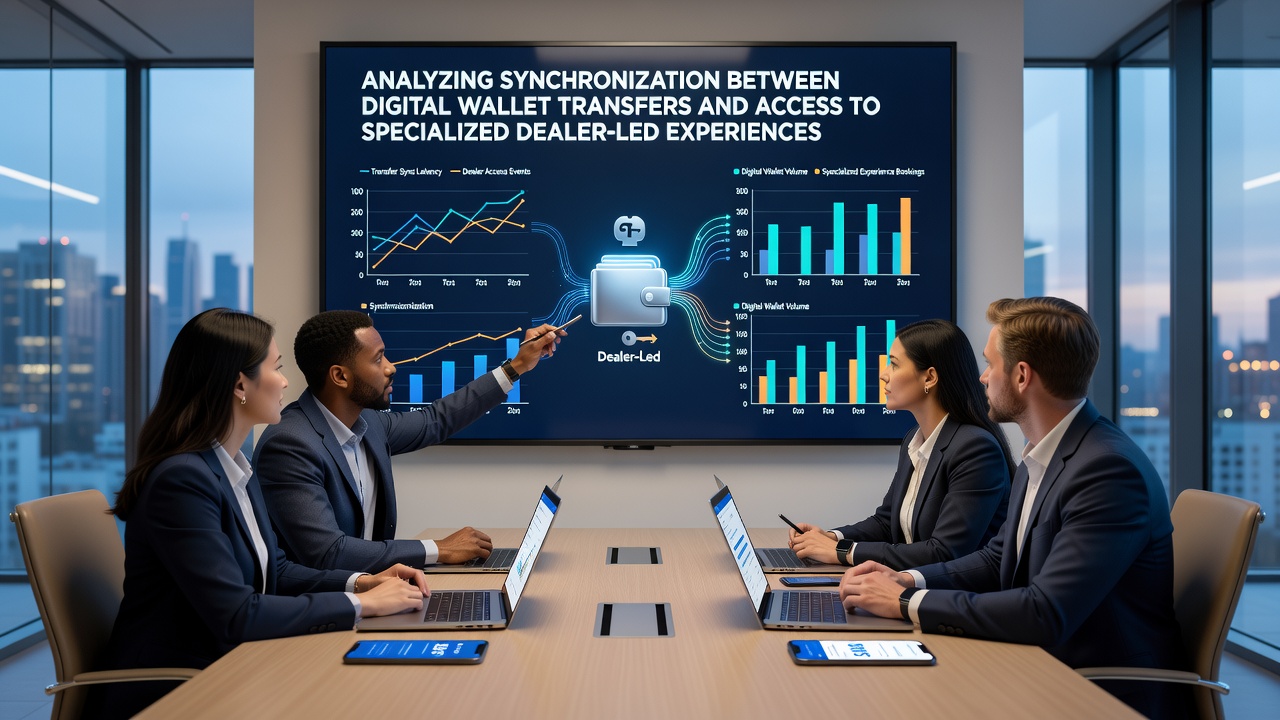
One study conducted by a European research consortium examined 12 smartphone applications across three continents and found that applications using multi-region server clusters achieved faster synchronization than those relying on single-location infrastructure. The research indicated that average time from wallet confirmation to table access dropped by 31 percent when applications employed edge computing nodes positioned near major user populations. Such findings have prompted several operators to adjust server architecture during the spring of 2026.
Security Protocols Supporting Continuous Access
Encryption standards play a central role in maintaining synchronization without exposing sensitive data. Applications typically employ end-to-end encryption for wallet transfer details while using session-specific tokens for dealer table access. This separation means that even if a token is compromised, it cannot be used to initiate new transfers. Security researchers have observed that token rotation every 90 seconds during active dealer sessions reduces the window for unauthorized activity. In addition, many platforms now integrate biometric confirmation at the wallet stage so that the same fingerprint or facial scan serves dual purposes: authorizing the transfer adn unlocking the dealer experience once funds arrive.
Interoperability Challenges Across Wallet Providers
Not all digital wallets interface with smartphone gaming applications at the same speed. Providers that support open banking protocols tend to complete verification faster because they can pull account data directly rather than routing through intermediate processors. Observers have recorded instances where users switching between two popular wallet services experienced delays of up to 12 seconds during peak load periods in early June 2026. Developers have responded by building fallback pathways that allow the application to queue teh access request while the slower transfer completes, thereby preserving the perception of seamless entry to dealer-led tables.
Future Development Directions
Industry reports from organizations monitoring digital payment trends suggest that upcoming updates will focus on predictive balance syncing. Instead of waiting for an explicit transfer command, some applications are testing systems that pre-authorize small credit lines based on historical wallet activity, then reconcile the actual transfer in the background. This approach could shorten the interval between a user's decision to join a live dealer session and actual participation. Regulatory bodies in both the United States and Australia have begun reviewing draft guidelines that would govern such pre-authorization features, with public consultation periods scheduled for later in 2026.
Conclusion
The synchronization between digital wallet transfers and access to specialized dealer-led experiences in smartphone applications rests on coordinated technical, regulatory, and security elements that continue to evolve. Data collected through mid-2026 demonstrates measurable improvements in transaction speed and compliance verification when operators apply parallel processing and token-based controls. As additional jurisdictions refine their requirements and new wallet providers enter the market, the underlying architecture will likely shift further toward reduced latency and enhanced interoperability while maintaining the audit trails that oversight agencies require.