Biometric Authentication Systems Reshaping Secure Access in Worldwide Online Gaming Networks
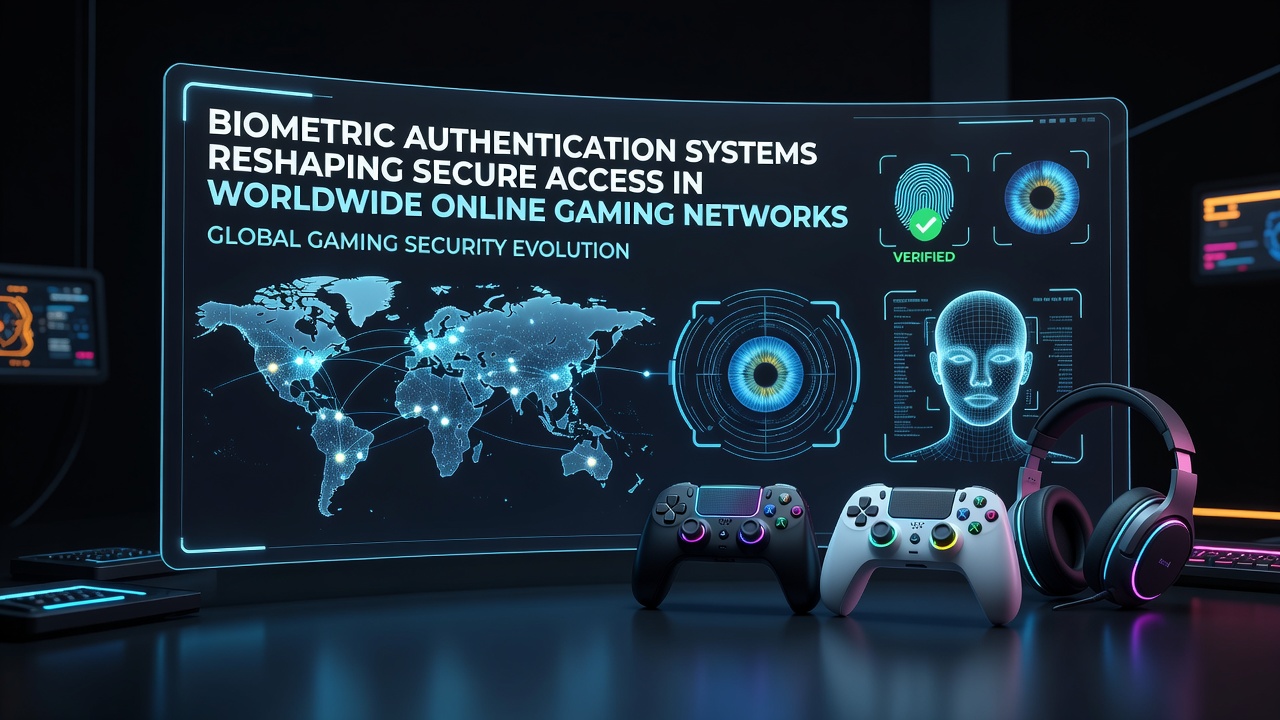
Biometric authentication systems have gained traction across global online gaming networks as operators seek more reliable methods to verify player identities and protect transaction integrity, and these technologies now integrate fingerprints, facial recognition, and voice patterns directly into login sequences and payment confirmations.
Core Technologies Driving Adoption
Operators deploy multi-modal biometric platforms that combine several identifiers at once, which reduces false acceptance rates while maintaining user convenience during high-volume sessions, and data from platform providers indicate that facial recognition paired with device-based fingerprint checks now handles over 60 percent of secure logins in major networks as of mid-2026.
These systems connect to centralized databases that store encrypted templates rather than raw images, and this approach allows networks to cross-reference access attempts across different jurisdictions without exposing personal details during routine verifications.
Regional Developments Through July 2026
European operators accelerated deployment following updated digital services directives that emphasize stronger identity controls, while North American platforms incorporated similar tools to align with state-level licensing requirements that demand robust age and location verification, and Australian regulators reported increased use of voice biometrics in mobile apps to meet responsible gambling standards.
One implementation in Canada saw provincial gaming authorities partner with technology vendors to pilot iris scanning for high-limit accounts, and that trial expanded in early 2026 to include real-time monitoring of session patterns tied to biometric matches, and observers note that similar pilots have appeared in parts of Asia where cross-border play requires additional safeguards.

Integration With Payment and Compliance Frameworks
Payment processors now embed biometric checks at the point of deposit and withdrawal, which links each transaction to a verified individual and reduces chargeback disputes that previously stemmed from unauthorized account access, and figures from industry reports show a measurable drop in such incidents where these controls operate at scale.
Regulators in several markets require that biometric data remain isolated from marketing databases, and this separation helps operators demonstrate compliance during audits while still enabling seamless player progression through loyalty tiers, and those who've studied the architecture note that tokenization further protects the underlying templates during any data transfer between networks.
Security Metrics and Operational Outcomes
Networks that adopted these systems report fewer account takeover attempts, and independent audits conducted through the first half of 2026 confirmed that multi-factor biometric sequences outperformed traditional password-plus-OTP combinations in both speed and accuracy, and this performance edge has encouraged smaller platforms to follow suit rather than maintain legacy authentication layers.
Research from the American Gaming Association highlights how biometric integration supports broader responsible gambling tools by allowing operators to flag unusual access patterns tied to specific users, and similar observations appear in reports issued by the Australian Communications and Media Authority.
Technical and Regulatory Considerations
Hardware variations across consumer devices create occasional compatibility hurdles, yet developers continue to refine software-based alternatives that run entirely on-device, and this shift minimizes the need for constant server-side comparisons while preserving privacy standards demanded by data protection laws, and those standards continue to evolve alongside the technology itself.
Training datasets used to calibrate recognition algorithms now draw from more diverse populations to lower error rates among different demographic groups, and ongoing refinements address edge cases such as changes in appearance or environmental lighting that once triggered re-verification loops.
Conclusion
Biometric authentication continues to expand within worldwide online gaming networks because it addresses both security demands and regulatory expectations in a single framework, and platforms that have integrated these tools demonstrate measurable improvements in account protection and transaction reliability as of July 2026, and further refinements in encryption and device compatibility suggest continued growth across additional markets in the coming period.