Decoding Digital Dealer Interactions: How RNG Algorithms Shape Immersive Experiences at Virtual Card Tables

Virtual card tables have become central to online gaming platforms, where random number generators determine every shuffle and draw while digital interfaces replicate the pace and tension of live play. These systems rely on complex algorithms to produce outcomes that feel unpredictable yet consistent with real-world probabilities, allowing players to engage with blackjack, poker, and baccarat sessions that mirror physical casino environments in timing and result distribution.
Mechanics Behind RNG Implementation at Virtual Tables
Random number generators operate through mathematical sequences that cycle through vast ranges of values at high speeds, selecting card values only when a player initiates a deal or hit command. Certified testing laboratories examine these sequences to confirm they meet statistical standards for uniformity and independence, which means each card draw remains unaffected by previous results. In practice this setup prevents patterns from emerging that might otherwise give an advantage, and platforms update their RNG certifications periodically to maintain compliance across jurisdictions.
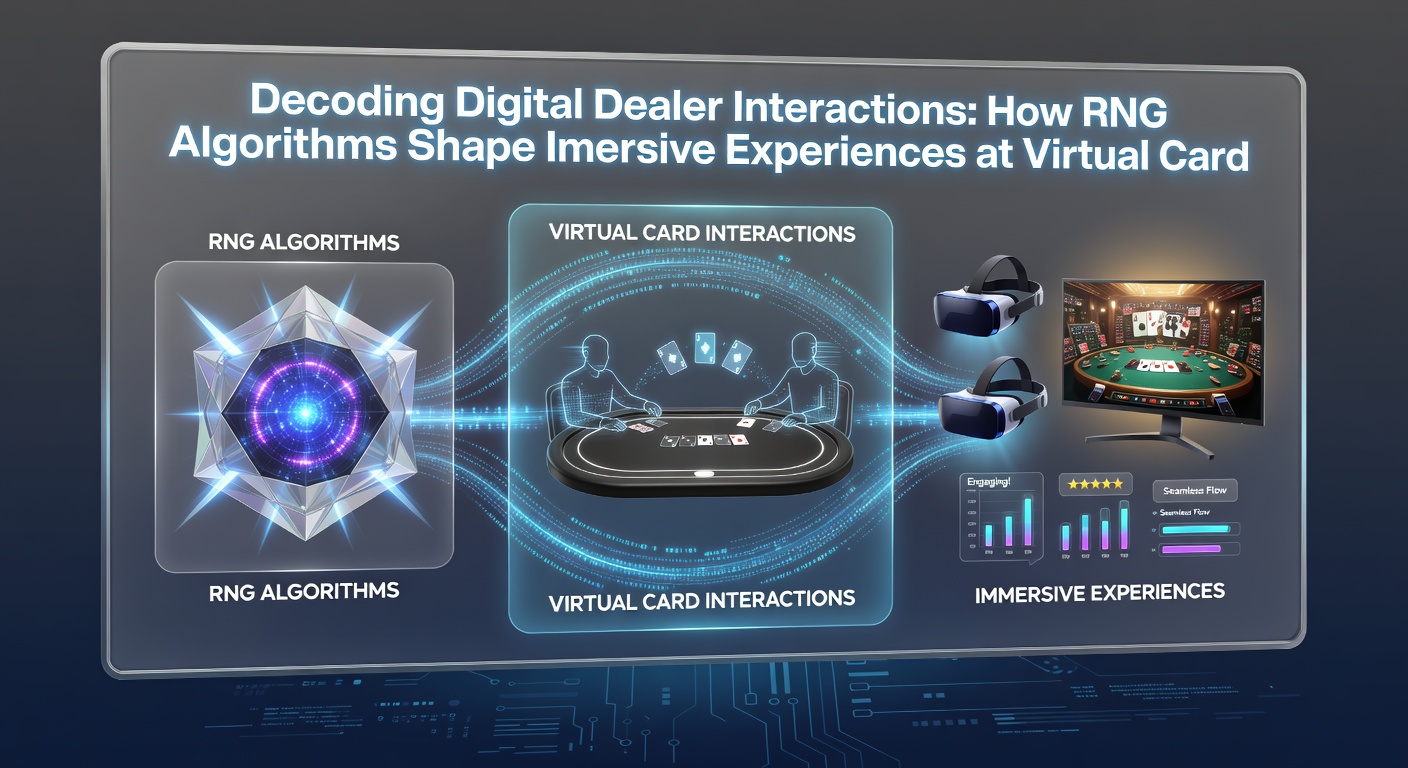
Developers integrate these generators with game engines that handle animation timing so the visual reveal of cards aligns with the underlying random selection. This synchronization creates a seamless flow where the digital dealer appears to interact naturally, pausing for decisions and responding to player inputs without revealing any algorithmic shortcuts. Observers note that when the RNG operates within approved parameters, session lengths and win distributions align closely with theoretical models used by physical casinos.
Building Player Engagement Through Algorithmic Fairness
Immersive experiences depend on the perception that outcomes arise from chance rather than design, which is why RNG transparency reports often accompany game launches. Players receive access to historical payout data and certification details that confirm the random processes have undergone external audits, and these disclosures help sustain participation over repeated sessions. When the algorithms maintain proper entropy levels, virtual tables avoid streaks that feel artificial, allowing users to experience the same variance found in traditional card rooms.
Industry figures from May 2026 show continued growth in live dealer hybrids that combine RNG elements with streamed human interactions, yet pure virtual tables still dominate volume because they operate without scheduling constraints. Data indicates that platforms emphasizing audited RNG performance retain higher session completion rates, since participants trust the underlying mechanics to deliver balanced results across thousands of hands.
Regulatory Oversight and Certification Processes
Gaming control boards in multiple regions require independent verification before RNG systems reach public platforms, with auditors examining source code and running millions of simulated trials to detect any deviation from expected randomness. In the United States, state-level agencies such as those in Nevada and New Jersey enforce these standards through regular re-testing cycles that adapt to new algorithm versions. Meanwhile, authorities in Australia and parts of Europe apply comparable frameworks that emphasize ongoing monitoring rather than one-time approvals.
These oversight mechanisms directly influence how immersive the experience feels because they guarantee that digital dealers cannot favor the house beyond the published rules. When certification bodies release summaries of their findings, operators often incorporate the highlights into player-facing dashboards, which in turn reinforces confidence during extended play. Researchers at academic institutions have examined these regulatory datasets and found correlations between transparent RNG reporting and longer average session durations across different markets.
Technical Advances Shaping Future Interactions
Recent refinements in pseudorandom and hardware-based generators allow for faster processing without sacrificing statistical integrity, which supports higher table capacities during peak hours. Developers now embed additional layers of encryption around the RNG output so that even internal staff cannot predict upcoming cards, a measure that further distances virtual environments from any perception of manipulation. These improvements integrate with user interface elements such as real-time statistics displays that show hand history and deviation metrics, giving participants tangible evidence of the algorithm's fairness in action.
Platforms that adopt these upgrades report smoother gameplay loops where the digital dealer responds instantly to complex strategies like splitting pairs or adjusting bets mid-round. The result is an environment where technical reliability supports strategic depth, encouraging players to experiment with different approaches while the underlying randomness remains constant and verifiable.
Conclusion
Random number generators form the invisible foundation that lets virtual card tables deliver consistent, engaging experiences across global audiences. Through rigorous testing, regulatory alignment, and continuous technical refinement, these systems maintain the unpredictability essential to card games while supporting the visual and interactive elements that keep sessions compelling. As platforms evolve in 2026 and beyond, the focus remains on verifiable fairness that allows players to concentrate on strategy and enjoyment rather than questioning the integrity of each deal.