How Adaptive Audio Layers Shape Extended Play Patterns in Cross-Platform Reel Ecosystems
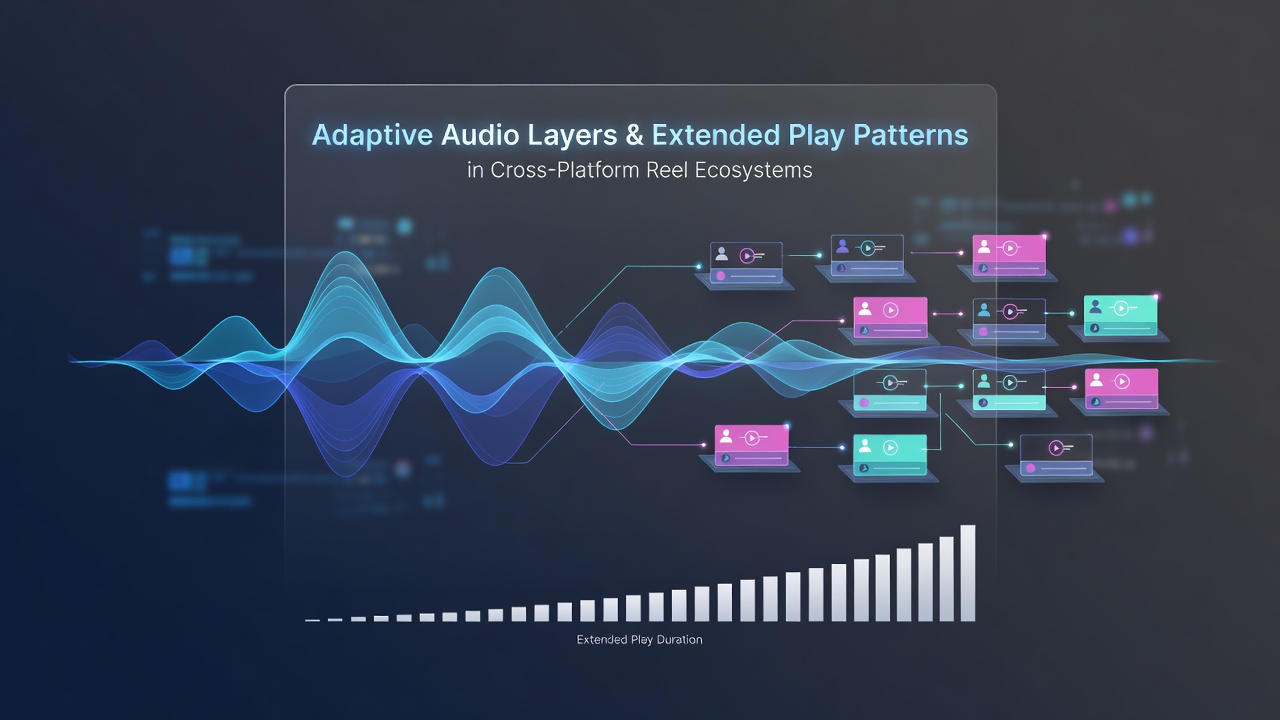
Adaptive audio layers in reel ecosystems adjust sound elements dynamically based on player behavior, game state, and device type, which creates varied auditory experiences that influence session duration across platforms. These systems draw from real-time inputs such as spin frequency, bet size adjustments, and win frequency to modify background tracks, effect volumes, and musical intensity without interrupting the core reel mechanics. Observers note that this approach differs from static sound design because it responds to individual play patterns rather than following fixed loops, and data from multiple markets shows measurable shifts in average session lengths when such features activate.
Core Mechanisms Behind Adaptive Audio Implementation
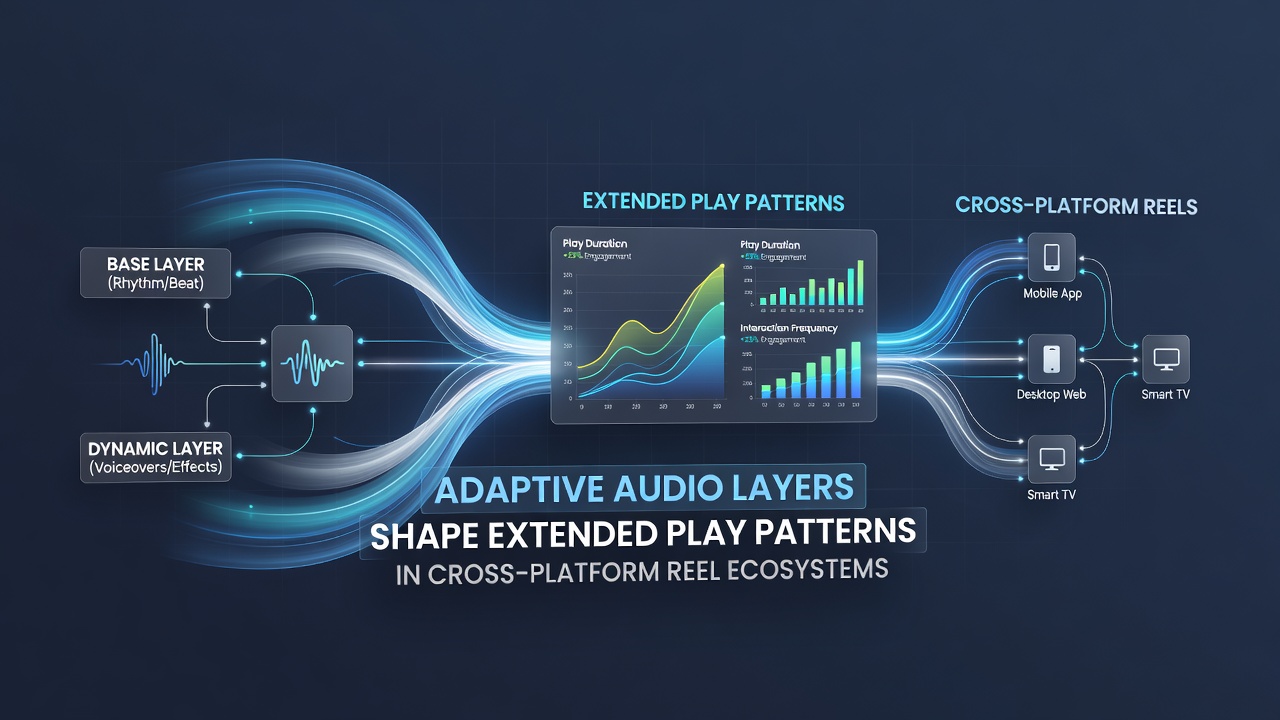
Developers build these layers using layered audio stems that software engines combine or mute according to predefined thresholds, so a base music track might gain percussive elements during bonus rounds while ambient sounds fade during high-volatility sequences. Cross-platform compatibility requires synchronization across mobile, desktop, and tablet environments, which means audio files must compress efficiently yet retain quality when network conditions vary. Research indicates that players maintain longer engagement when audio cues align with visual feedback on every device, because the continuity reduces cognitive friction that often leads to early exits. In June 2026 reports from several North American operators highlighted increased retention metrics in titles that deployed full adaptive stacks compared with earlier static versions.
Device-Specific Adaptations and Player Retention Data
Mobile sessions typically feature reduced bass frequencies and shorter cue durations to accommodate smaller speakers and variable environments, whereas desktop versions allow fuller dynamic ranges that include subtle reverb and spatial positioning. Those who've examined telemetry across ecosystems find that seamless transitions between devices encourage extended play, since users who switch mid-session encounter consistent audio logic rather than abrupt changes. Figures from industry tracking services reveal average playtime increases of 12 to 18 percent in titles supporting such continuity, with the effect most pronounced among users who engage across at least two platforms within a single day. The Nevada Gaming Control Board has published aggregate revenue and session data that align with these patterns in regulated markets.
Influence on Behavioral Patterns Across Reel Formats
Extended play emerges when audio layers escalate tension during near-miss sequences or soften during recovery spins, guiding emotional pacing without explicit visual prompts. Players often report feeling more immersed when sound design mirrors their personal risk tolerance, yet objective metrics show these adaptations correlate with higher spin counts before voluntary breaks. What's notable is how cross-platform reel ecosystems leverage cloud-based audio profiles that travel with user accounts, preserving individual preferences regardless of access point. Studies from academic institutions such as the University of Melbourne have examined similar adaptive systems in digital entertainment and documented parallel effects on time-on-task measurements.
Technical Integration Challenges and Solutions
Engineers must balance file size constraints with real-time mixing demands, which leads to hybrid approaches that preload core stems while streaming contextual variations. Latency issues arise particularly on mobile networks, yet modern implementations use predictive buffering that anticipates player actions based on historical data. Observers note that successful deployments minimize audio dropouts during platform switches, thereby preserving the psychological momentum that supports longer sessions. Data shows that titles addressing these technical hurdles early in development achieve more consistent retention across regions with differing connectivity standards.
Market Examples and Regulatory Context
Operators in Australia and parts of Europe have integrated adaptive audio into multi-device reel portfolios, with public reports indicating stable or growing player bases in titles that emphasize audio continuity. Regulatory bodies track these features indirectly through responsible gaming metrics, focusing on whether dynamic sound contributes to session extension in ways that warrant additional player controls. In June 2026 several jurisdictions updated reporting requirements to include audio system descriptions alongside traditional engagement statistics, reflecting growing recognition of their role in shaping play patterns.
Conclusion
Adaptive audio layers continue to evolve as cross-platform reel ecosystems expand, with evidence linking dynamic sound design to measurable changes in session length and device-switching frequency. Continued monitoring by regulators and operators will clarify long-term patterns as more titles adopt these techniques.