How Digital Payment Networks Enable Strategic Progression Through Reward Structures in App-Based Card and Reel Experiences
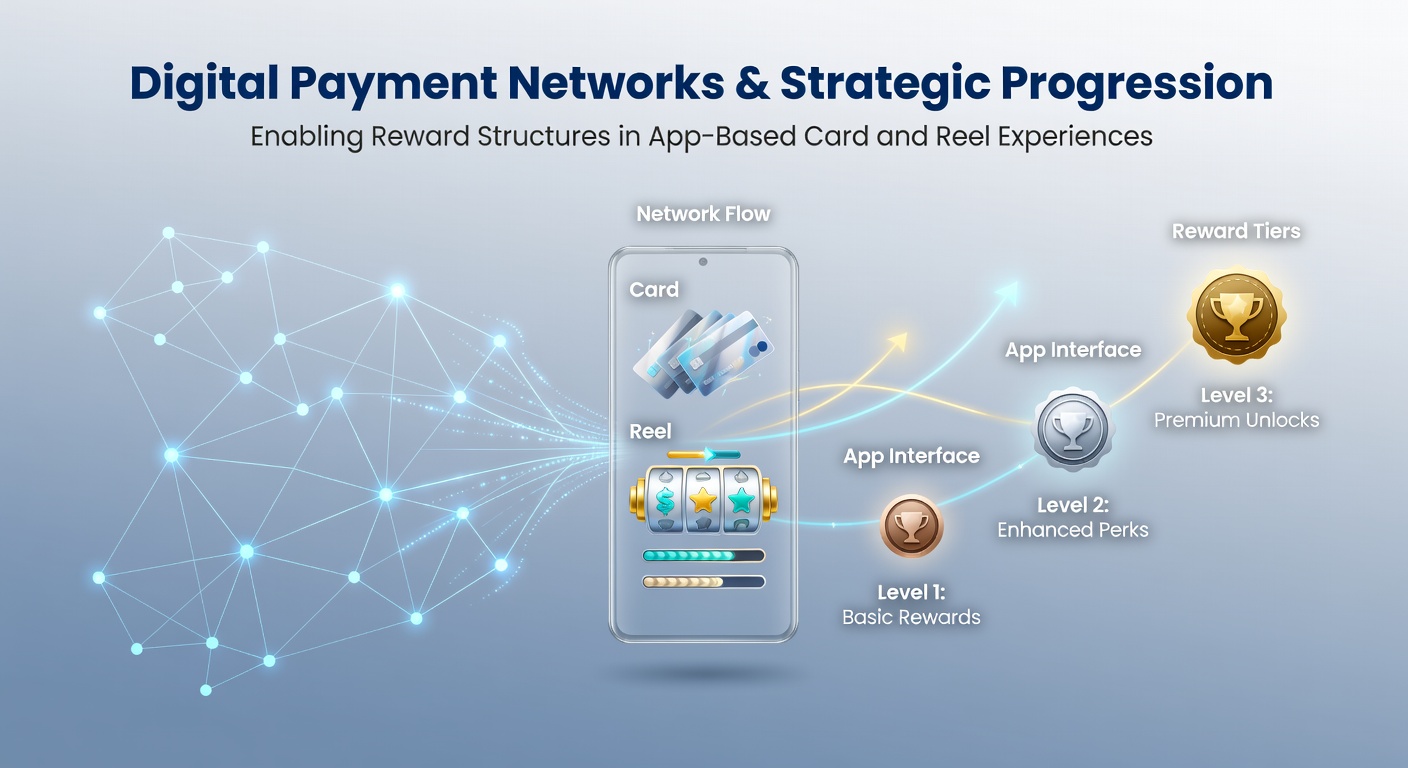
Digital payment networks connect directly with mobile applications that offer card games and reel-based experiences, allowing users to advance through structured reward tiers based on transaction activity and engagement patterns. These systems process deposits and withdrawals in real time, which then feed into loyalty frameworks where accumulated spend determines access to higher levels of benefits. Observers note that such integration creates measurable pathways where each completed transaction contributes points or credits toward tier advancement, and data from industry reports shows consistent growth in these mechanisms across app platforms.
Integration of Payment Networks with App Ecosystems
Payment processors such as those handling instant bank transfers and digital wallets link to gaming applications through secure APIs that verify funds and record activity without interrupting gameplay flow. When a user completes a deposit via these networks, the system automatically logs the amount and assigns corresponding reward units that accumulate toward progression milestones. Researchers at various academic institutions have examined how these connections reduce friction compared to traditional methods, and figures reveal that platforms using multiple payment options report higher retention rates tied to seamless reward crediting. In May 2026, transaction volumes through integrated networks continued to support tiered programs in both card simulation apps and reel mechanic titles, where players move from entry-level benefits to premium features after reaching specific spend thresholds.
Mechanics of Reward Structures and Tier Progression
Reward structures operate on point-based systems where digital payments generate credits proportional to transaction size, and these credits unlock successive tiers with enhanced multipliers or exclusive content access. Card game applications often tie progression to consistent play funded through approved networks, whereas reel experiences accumulate rewards based on spin volume supported by the same payment rails. Those who have studied these platforms find that users advance strategically by timing deposits to coincide with promotional periods that double or triple point earnings. According to data compiled by the American Gaming Association, such structures have expanded in mobile segments, with clear correlations between payment method usage and tier completion rates across user cohorts.
Strategic Elements in Card and Reel Applications
App-based card experiences incorporate payment-linked rewards that allow players to unlock table variations or private tournaments once they surpass defined spend levels, and reel applications follow similar patterns by granting additional free spins or bonus rounds upon tier elevation. Strategic progression emerges when users select payment networks that offer expedited processing, which accelerates point accumulation and shortens the time between tiers. One study revealed patterns where participants who utilized diversified digital options progressed faster than those limited to single methods, and this holds across both genres. What's interesting is how these systems adapt in real time, adjusting reward rates based on network performance metrics without requiring manual intervention from the user.
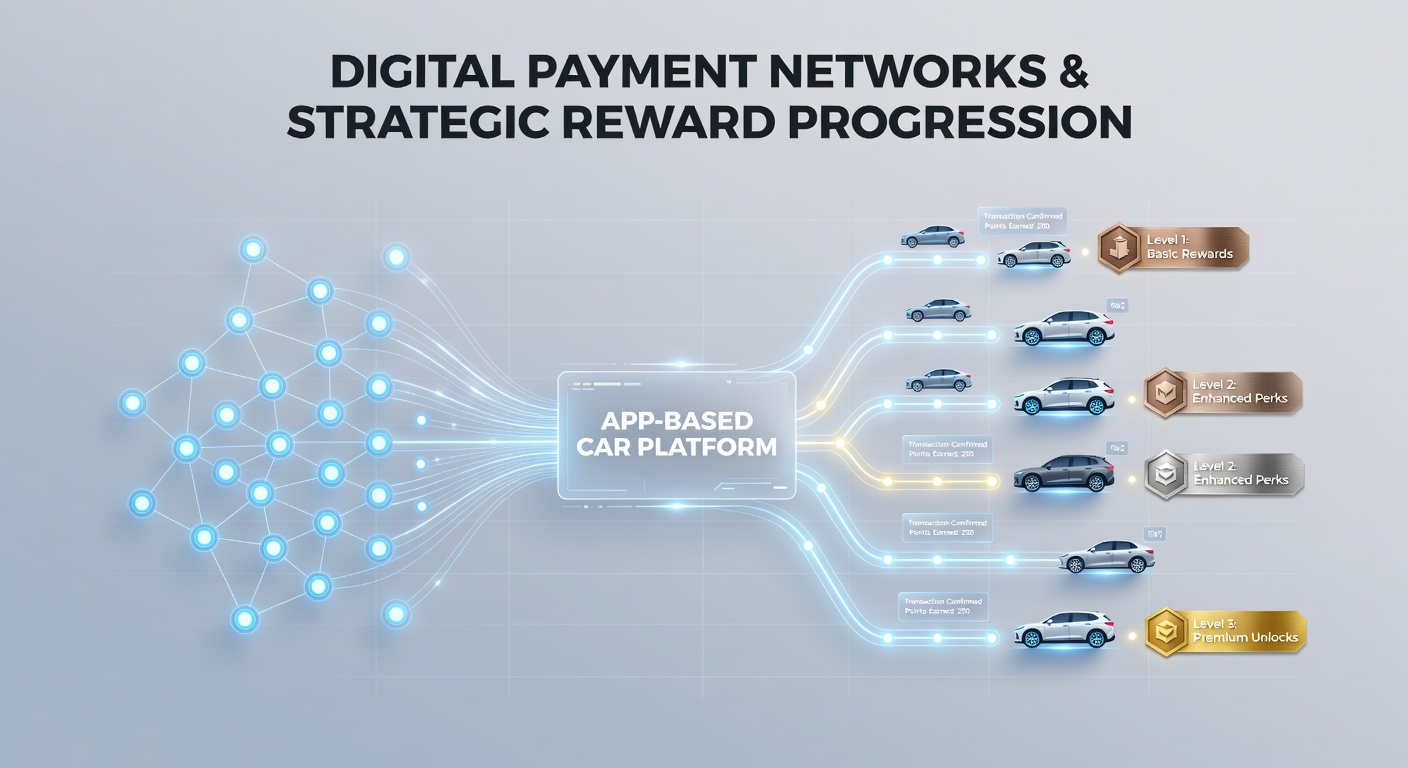
Evidence suggests that geographic variations influence these dynamics, with platforms in North America emphasizing instant rewards from bank-linked payments while European and Asian markets incorporate region-specific digital wallets that align with local regulations. In May 2026, updates to several major apps introduced enhanced tracking dashboards that display real-time progression tied directly to payment history, helping users visualize their path through the tiers.
Trends and Data Points from Recent Periods
Industry reports indicate that digital payment adoption in mobile gaming reached notable levels by early 2026, with networks supporting reward structures contributing to overall revenue growth in app-based segments. Data from regulatory bodies in multiple jurisdictions shows that apps combining payment integration with tiered rewards experienced measurable increases in active user sessions during the spring months. Those who've analyzed transaction logs observe that card-focused apps often see quicker tier climbs during promotional windows, while reel experiences benefit from sustained engagement funded through recurring deposits. And yet the underlying mechanism remains consistent: each verified payment strengthens the user's position within the progression ladder.
Conclusion
Digital payment networks continue to underpin reward structures that drive strategic advancement in app-based card and reel experiences through automated tracking and tiered incentives. The connections between transaction processing and loyalty progression create defined pathways where users advance based on documented activity, and ongoing developments in May 2026 reinforced these patterns across platforms. Observers continue to monitor how these systems evolve in response to technological and regulatory shifts while maintaining factual records of their operational impact.