Investigating Encryption Protocols' Influence on Integrating Multiple Payment Options Within Mobile Gaming Ecosystems
Encryption Foundations in Mobile Ecosystems
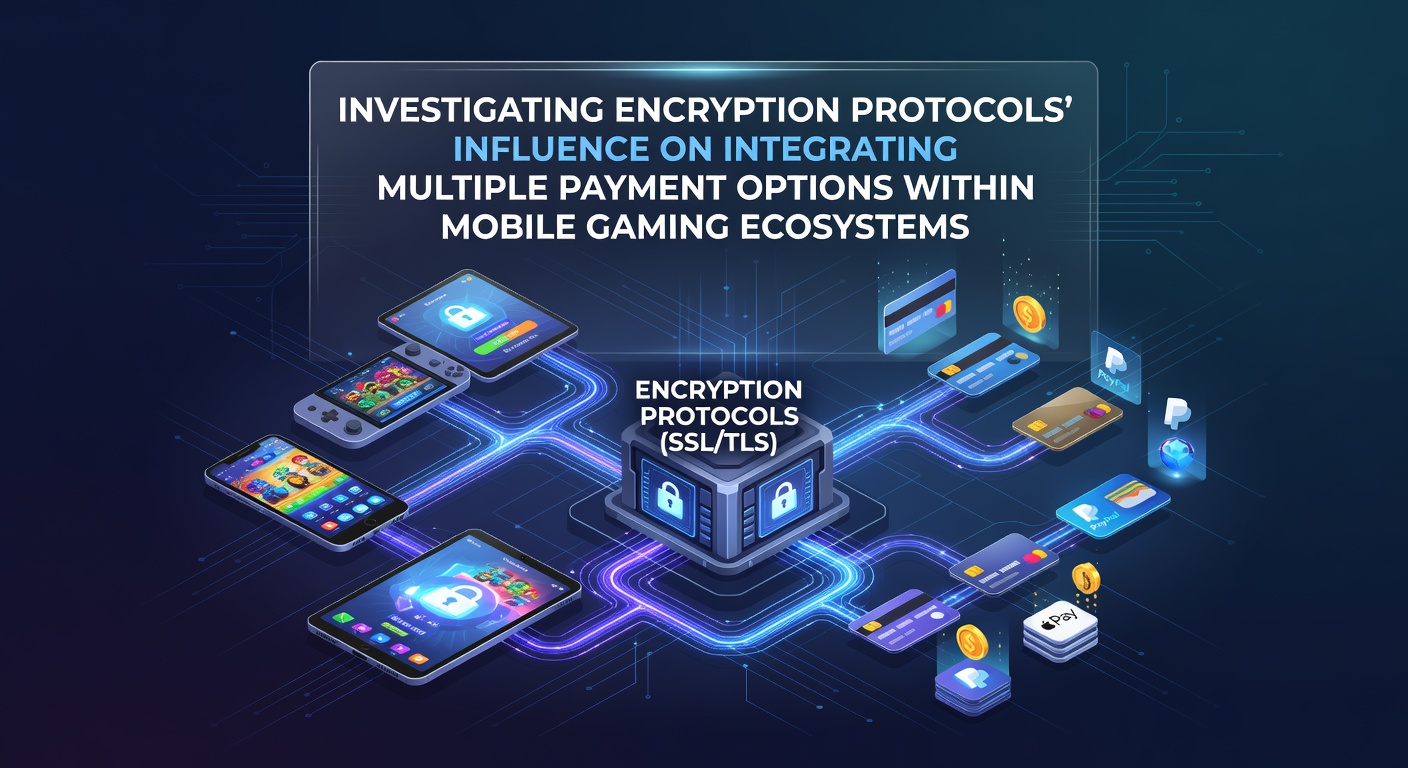
Encryption protocols form the backbone of secure data transmission in mobile gaming environments where developers integrate diverse payment systems ranging from credit cards and digital wallets to cryptocurrency options, and researchers have documented how standards like AES-256 and TLS 1.3 create protected channels that prevent interception during transactions while allowing seamless user experiences across global networks. Data from industry reports shows these protocols enable platforms to handle multiple payment gateways simultaneously without exposing sensitive financial details, and observers note that this capability has expanded significantly as mobile devices process billions of in-app purchases annually.
Integration Mechanisms Across Payment Types
Multiple payment options require robust encryption to maintain compliance with data protection regulations, yet developers achieve this through layered approaches that combine symmetric and asymmetric encryption methods which protect user credentials during checkout flows in games featuring virtual economies or subscription models. According to findings from the National Institute of Standards and Technology, updated protocol specifications have streamlined these integrations by supporting faster handshake processes that reduce latency in mobile environments, and this matters because players often switch between payment methods based on regional availability or promotional incentives without interruption. Studies conducted by academic institutions in Canada reveal that encryption strength directly correlates with successful adoption rates of alternative payments like e-wallets in gaming apps, since weaker implementations lead to higher abandonment during transactions.
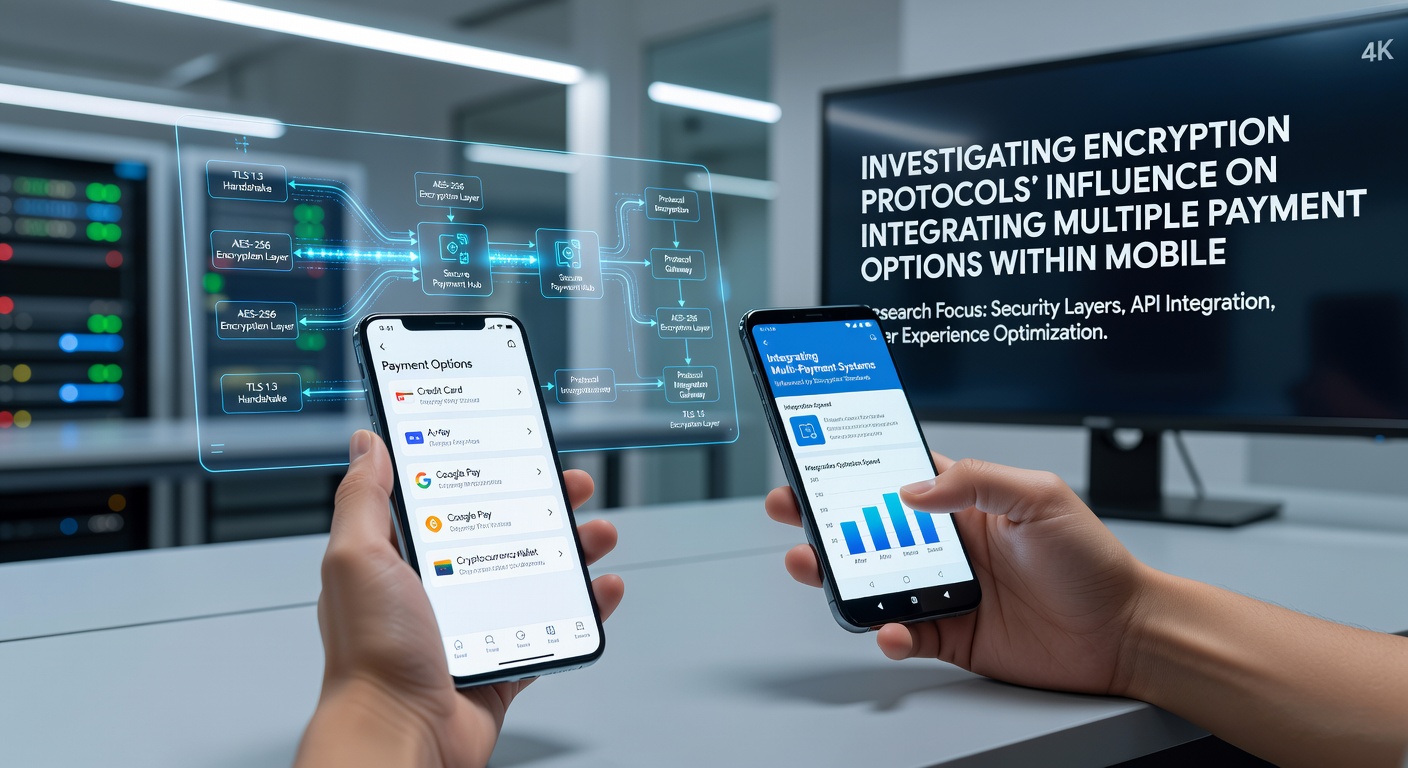
What's interesting here is how end-to-end encryption extends beyond initial purchases to cover ongoing account verifications and refund processes, allowing ecosystems to incorporate emerging options such as blockchain-based transfers while preserving data integrity across devices. Figures from the Entertainment Software Association indicate that games supporting three or more encrypted payment pathways see increased user retention in markets like Australia and the European Union, where regulatory frameworks emphasize secure digital commerce.
Technical Challenges and Protocol Adaptations
Integrating varied payment systems brings technical hurdles including compatibility across operating systems and varying regulatory demands, but encryption protocols address these through modular designs that permit selective activation of security features based on transaction risk levels. Researchers discovered that protocols supporting perfect forward secrecy reduce vulnerabilities in long-term mobile gaming sessions, and this adaptation proves essential when platforms add new gateways like regional mobile carriers or peer-to-peer transfer services. Data indicates that in June 2026 several major developers rolled out enhanced TLS configurations following global security audits, resulting in broader compatibility for multi-currency payment setups without compromising speed.
Observers note that older encryption methods sometimes create bottlenecks during high-volume events such as in-game sales, whereas contemporary implementations leverage hardware acceleration on modern smartphones to maintain fluid interactions. One study revealed that ecosystems using updated protocols experienced fewer security incidents tied to payment integrations, and developers often cite these improvements as key to expanding into new geographic regions with distinct financial infrastructures.
Regulatory Influences on Protocol Deployment
Government bodies across different regions shape how encryption gets applied in gaming payment systems, with examples from the United States Federal Trade Commission highlighting requirements for transparent data handling that align with strong protocol standards. Yet in Asia-Pacific markets, industry organizations have pushed for localized adaptations that balance security with accessibility, and evidence suggests these variations influence which payment options gain traction in specific ecosystems. Turns out that cross-border gaming platforms must navigate multiple compliance layers, leading to hybrid encryption strategies that support everything from traditional bank transfers to digital assets while meeting each jurisdiction's mandates.
Conclusion
Encryption protocols continue to determine the scope and reliability of payment integrations within mobile gaming ecosystems as developers respond to evolving security needs and user preferences, and data shows sustained investment in protocol advancements supports broader adoption of diverse transaction methods. Those who've examined these systems recognize that ongoing refinements will shape future capabilities, particularly as new payment technologies emerge alongside stricter global standards for digital protection.