Navigating Tiered Membership Pathways in Portable Gaming Platforms and Their Ties to Secure Transaction Networks
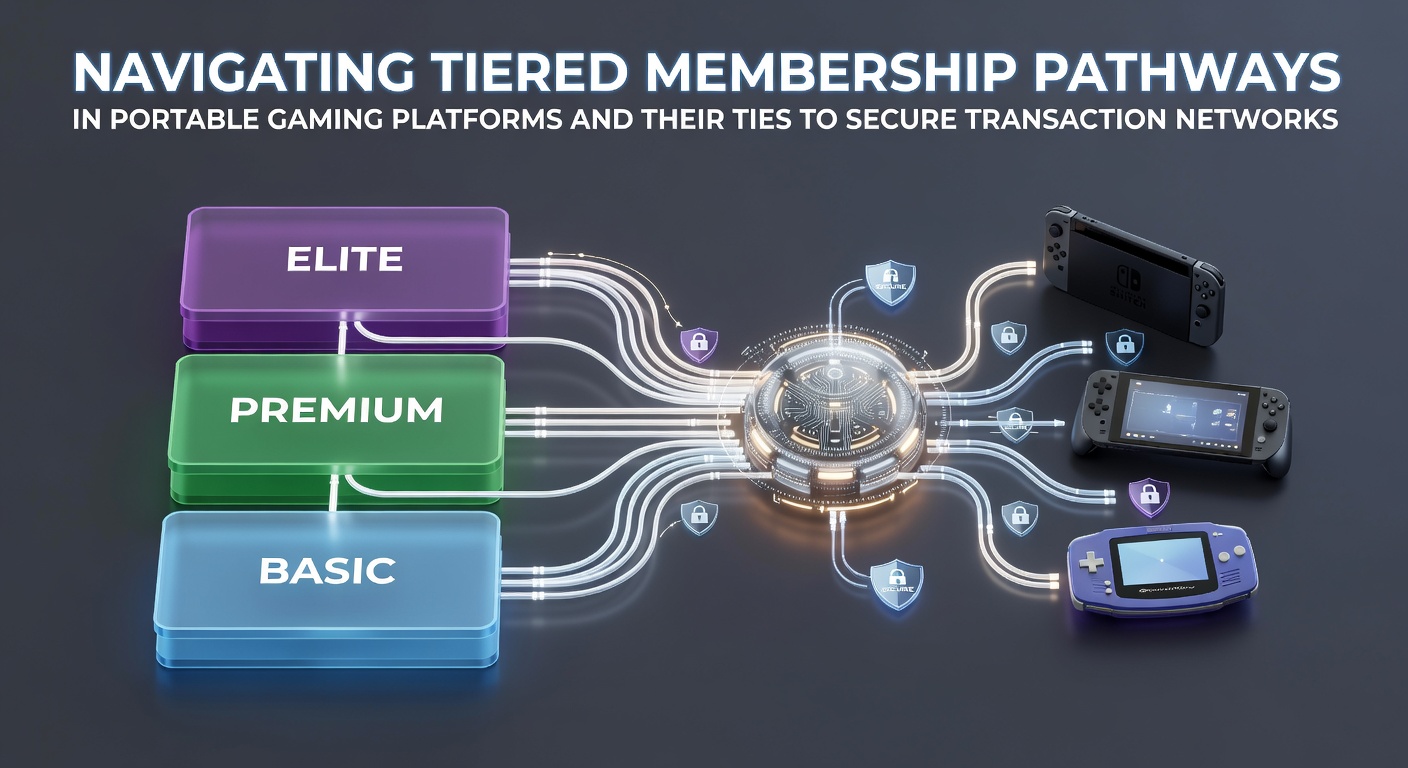
Portable gaming platforms have expanded rapidly in recent years, and tiered membership systems now form a core component of how operators structure user engagement while connecting these pathways directly to secure transaction networks that handle deposits, withdrawals, and reward redemptions. Research indicates these systems typically progress through multiple levels, each granting access to escalating benefits such as bonus credits, faster withdrawal processing, and personalized support channels, all while relying on encrypted payment rails that comply with regional financial standards.
How Tier Structures Operate Across Mobile Platforms
Entry-level tiers often begin with basic registration and standard transaction limits, yet advancement depends on consistent play volume and deposit frequency tracked through integrated analytics. Higher tiers unlock features including cashback percentages that scale upward and exclusive tournament entries, and observers note that platforms synchronize these perks with transaction networks that employ tokenization to reduce exposure during each transfer. Data from industry reports shows that users reaching mid-tier status frequently experience reduced processing times for payouts because the underlying networks prioritize verified accounts with established activity histories.
Advancement criteria vary by operator but commonly incorporate metrics such as total wagered amounts over rolling periods, and those who've studied these systems find that real-time dashboards within apps display progress bars tied to both gameplay and deposit milestones. Secure networks underpin this progression because each transaction logs into centralized ledgers that verify eligibility before benefits activate, preventing discrepancies that could arise from unverified activity.
Integration Between Membership Tiers and Transaction Security
Secure transaction networks serve as the backbone that validates tier status during every financial interaction, and platforms achieve this through multi-factor authentication protocols layered onto payment gateways. According to the European Gaming and Betting Association, mobile operators increasingly adopt standards that link loyalty databases directly to these gateways so that tier benefits, such as fee waivers on withdrawals, apply automatically once eligibility thresholds are met. This linkage reduces manual verification steps and maintains audit trails required by regulatory bodies across multiple jurisdictions.
Encryption methods including end-to-end protocols protect data flows between the app and the payment processor, while blockchain elements appear in select networks to create immutable records of tier-related transactions. Researchers discovered that such integrations help platforms comply with anti-money laundering requirements because each tier upgrade triggers additional identity checks that align with transaction volume thresholds. In May 2026, several operators updated their mobile frameworks to incorporate these enhanced verification layers following new compliance guidelines issued in key markets.
Regional Variations in Tier Navigation and Network Standards
Different geographic markets impose distinct rules on how tiers connect to transaction networks, and operators adjust their systems accordingly to meet local mandates. Platforms serving North American users often emphasize PCI-DSS compliance alongside tier tracking, whereas European systems incorporate additional data protection layers that govern how membership data shares with payment processors. A report from the Australian Communications and Media Authority highlights that portable platforms in that region must demonstrate clear separation between loyalty tracking modules and financial transaction handlers to maintain operational licenses.
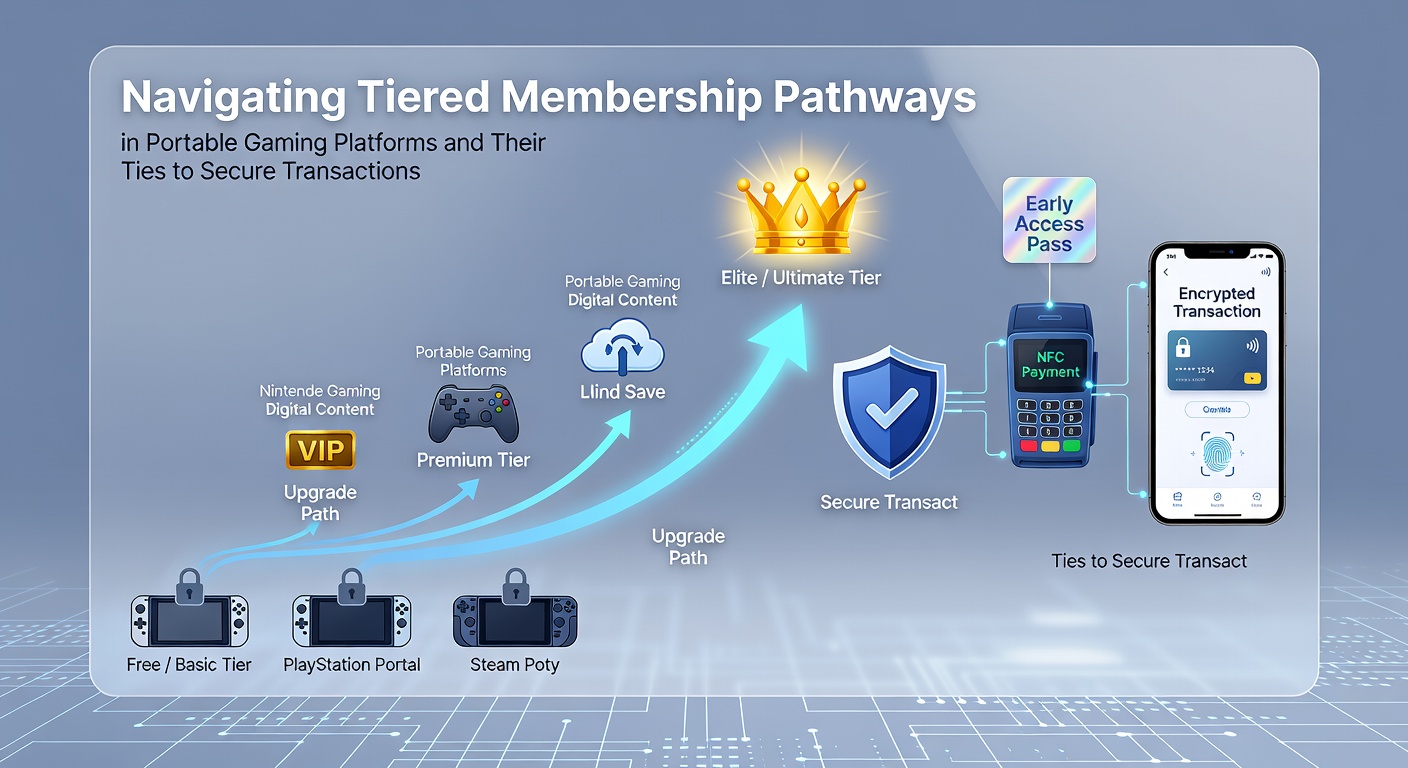
Users navigate these pathways by monitoring in-app notifications that signal upcoming tier reviews, and the networks automatically adjust limits once criteria are satisfied. Those who've examined user behavior patterns note that seamless transitions between tiers depend on uninterrupted connectivity between the membership database and the transaction authorization service, minimizing delays that could otherwise interrupt reward access.
Technical Mechanisms Supporting Tier Progression
Application programming interfaces connect loyalty engines to payment networks so that real-time balance updates reflect both gaming activity and tier status, and this architecture allows operators to apply dynamic bonus structures without separate manual interventions. Transaction networks employ risk-scoring algorithms that factor in a user's current tier level when approving larger transfers, which streamlines operations while maintaining security thresholds. Evidence suggests these automated processes contribute to higher retention rates because participants encounter fewer friction points during redemptions tied to their membership level.
Conclusion
Tiered membership pathways in portable gaming platforms remain closely intertwined with secure transaction networks that enable accurate tracking, benefit delivery, and regulatory compliance. Operators continue to refine these connections through updated protocols that respond to evolving standards, and the resulting systems provide structured progression routes supported by robust financial infrastructure across global markets.