Patterns Linking Verification Protocols to Access Tiers in Cross-Device Reward Ecosystems for Reel and Table Simulations
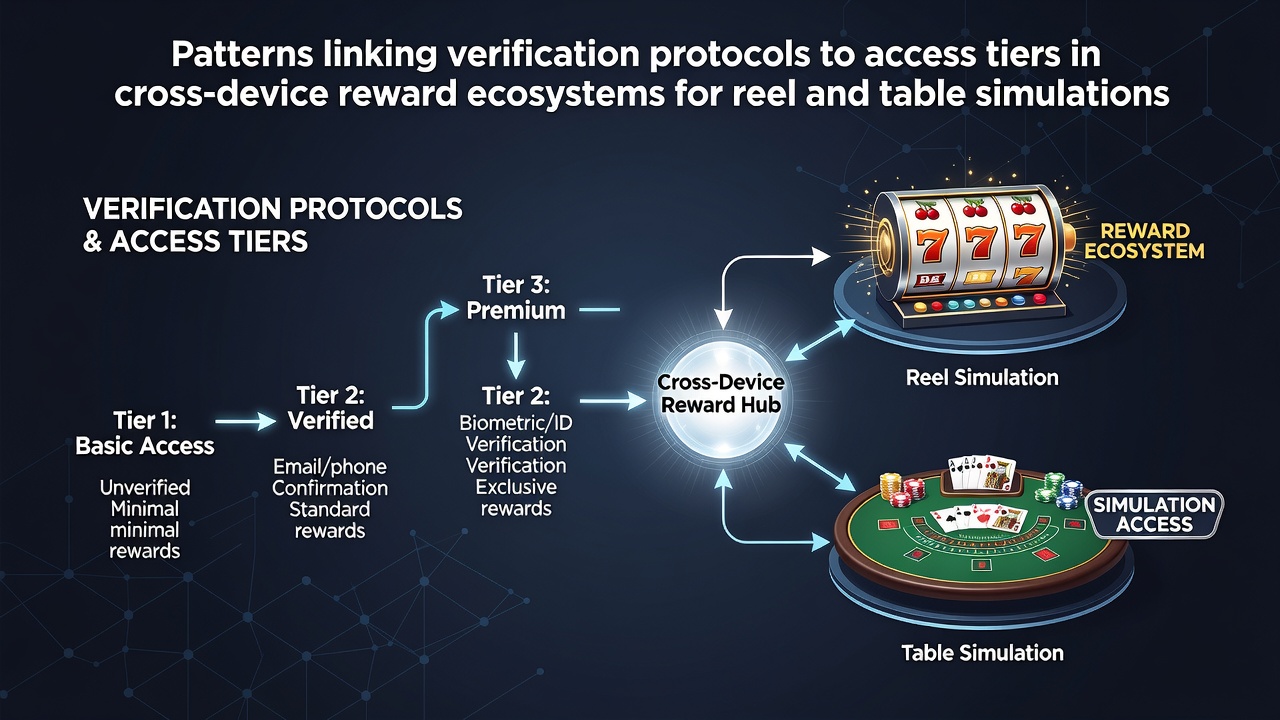
Verification protocols in cross-device reward ecosystems establish clear connections between identity checks and the tiers users reach when engaging with reel simulations and table game environments across mobile and desktop platforms, and these connections shape how rewards distribute in digital gaming spaces. Data from industry monitoring groups shows that basic email verification often grants entry-level access while full documentation review including government-issued identification unlocks mid-tier benefits such as enhanced point multipliers on slots and live dealer tables. Researchers tracking these systems note that device synchronization plays a direct role because protocols must align session data from smartphones to laptops without interrupting reward accumulation.
Core Verification Layers and Their Tier Connections
Basic protocols rely on email confirmation and phone linkage to activate starter tiers whereas advanced steps incorporate address verification and biometric elements to progress users into higher brackets that include priority support and larger bonus structures for both reel and card simulations. Observers note that platforms maintain consistency across devices by storing verification status in centralized accounts so that a user who completes full checks on a tablet immediately sees the same tier reflected when switching to a desktop interface. Studies from research institutions indicate that this layered approach reduces discrepancies in reward eligibility and supports smoother progression through loyalty structures that apply equally to spinning reels and virtual blackjack sessions.
Patterns emerge when systems require periodic re-verification at certain tier thresholds because higher access levels demand updated documentation to maintain compliance with regional standards and this requirement appears consistently whether users play on portable devices or stationary computers. Those who study ecosystem design find that cross-device reward tracking depends on secure token exchange between verification modules and the backend tier engine so that activity on one platform contributes to the same cumulative progress visible on another.
Device Synchronization and Reward Access Patterns
Cross-device ecosystems link verification status to reward tiers through shared cloud profiles that record completed checks and then apply corresponding benefits to reel and table simulations regardless of the hardware in use and this synchronization prevents users from losing tier advantages when they move between environments. Figures from operational reports reveal that platforms using unified verification databases see higher retention rates in mid and upper tiers because players encounter fewer interruptions when switching devices during extended sessions on slots or card tables. Experts tracking these patterns point out that mobile-first verification flows often serve as the primary entry point yet desktop sessions require the same tier confirmation to unlock identical reward multipliers.
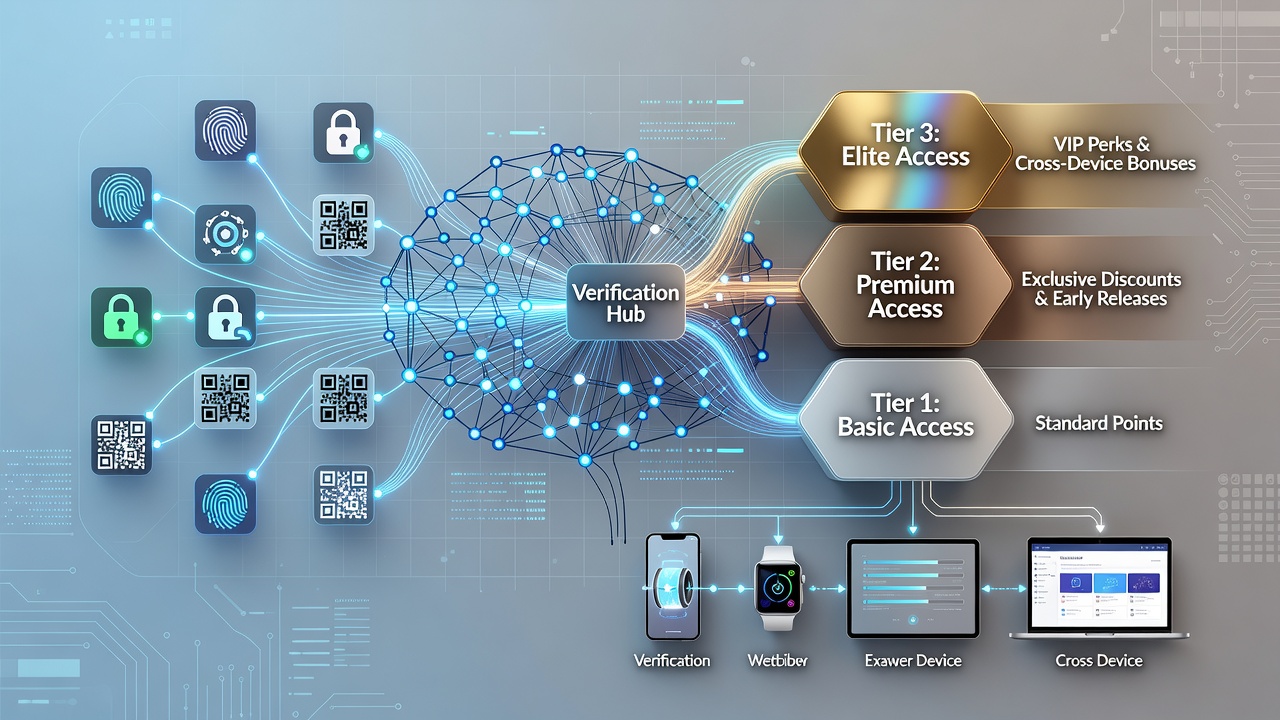
Additional patterns surface around time-based verification windows where users who maintain continuous activity across devices receive tier extensions without new checks and this approach appears in multiple reward ecosystems supporting both reel and table formats. Research indicates that integration of instant payout features further ties verification levels to tier benefits because higher tiers unlock faster withdrawal processing only after protocols confirm identity across all linked devices.
Regional Compliance Influences on Tier Structures
Regulatory frameworks in various jurisdictions shape how verification protocols connect to access tiers and data from the Nevada Gaming Control Board demonstrates that stricter identity requirements correlate with more granular tier divisions in reward systems for simulated games. Similar observations appear in reports covering Australian markets where state-level oversight encourages platforms to align verification depth with reward access so that cross-device play remains compliant while preserving tier progression for reel and table activities. Industry organizations such as the American Gaming Association track these alignments and note that consistent protocol application across devices supports broader adoption of tiered rewards without creating regional gaps in eligibility.
Patterns also include automated tier downgrades when verification lapses occur on any device and such mechanisms ensure that reward ecosystems maintain integrity whether players engage through apps or browser-based table simulations. Those examining July 2026 operational trends find that platforms continue refining these links to accommodate growing cross-device usage while meeting evolving compliance expectations in multiple markets.
Future Integration Trends in Verification and Rewards
Emerging patterns point toward greater use of device-agnostic verification tokens that carry tier status between reel and table simulations and this development allows seamless reward access even as new hardware enters the ecosystem. Research from academic sources on digital gaming infrastructure shows that continued focus on encrypted protocol exchanges strengthens the reliability of tier connections across platforms and reduces friction for users progressing through reward ladders. Observers note that these technical refinements appear across multiple operators and support consistent application of benefits regardless of whether activity centers on spinning reels or interactive card tables.
Conclusion
Verification protocols maintain structured relationships with access tiers in cross-device reward ecosystems for reel and table simulations through layered checks, synchronized profiles, and compliance-driven updates and these relationships determine how rewards flow to users across mobile and desktop environments. Data continues to show that platforms prioritizing consistent verification achieve clearer tier progression while supporting activity in both reel and table formats. The patterns identified in operational records and regulatory summaries illustrate an established framework that adapts to device variety without altering the core connection between identity confirmation and reward access.