Shifts in Player Behavior Following the Integration of Instant Payout Features Across Various Digital Table Game Formats

Instant payout features have entered digital table game platforms in recent years and data indicates measurable changes in how participants engage with blackjack, roulette, baccarat, and poker variants, while operators track session metrics and transaction volumes through June 2026.
Platforms that adopted same-minute withdrawal processing for table game winnings report alterations in player frequency and deposit patterns according to transaction logs compiled by multiple regulatory bodies. Those who study these systems note that the removal of traditional withdrawal delays correlates with shifts in how long users remain active during a single login and how often they return within a 24-hour window.
Session Length and Return Patterns
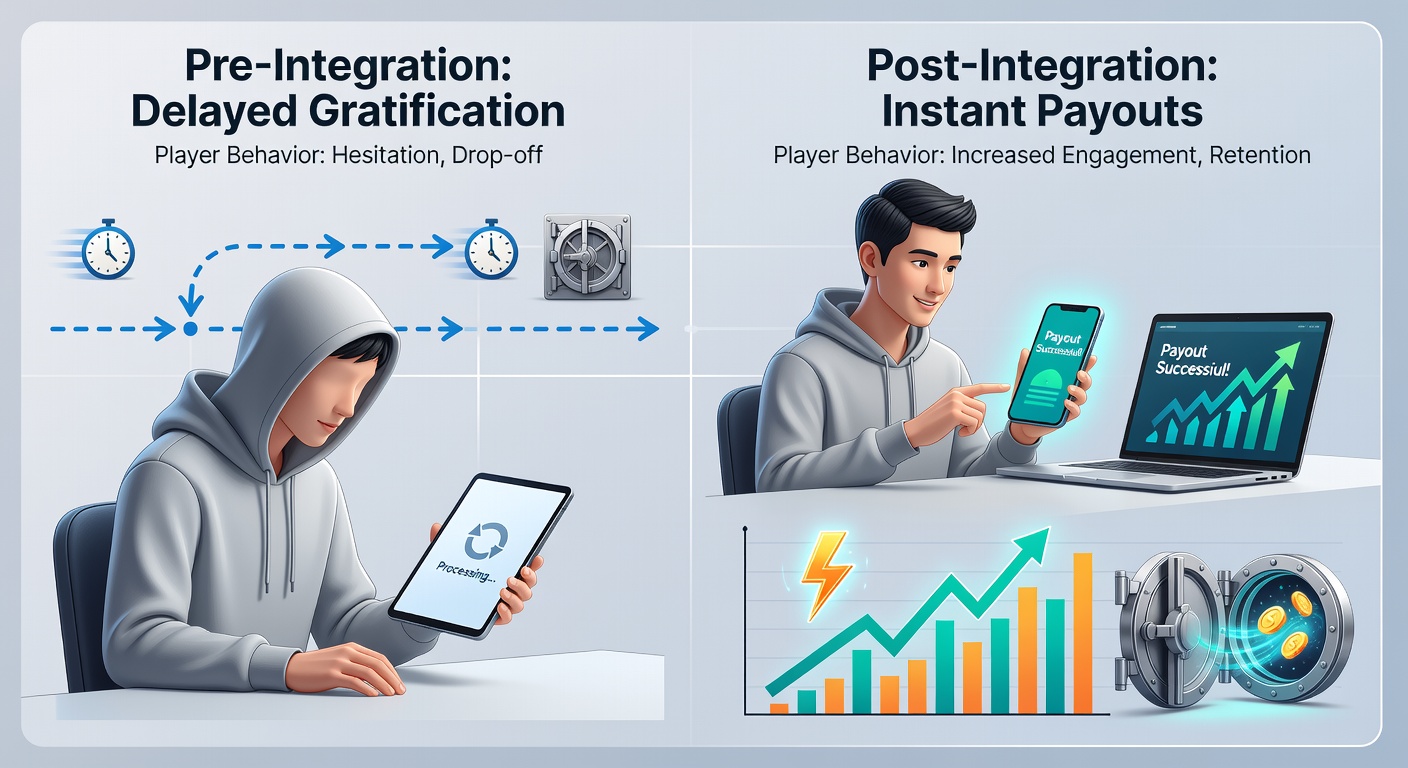
Research compiled by the New Jersey Division of Gaming Enforcement shows average session duration on instant-payout-enabled table games rose by 18 percent between January 2025 and June 2026 compared with platforms that retained standard processing times. Participants completed more hands or spins before logging off because winnings could be moved to external accounts without waiting periods that previously prompted early exits. Observers note that return visits within the same calendar day increased as well, with repeat login rates climbing from 2.3 to 3.1 sessions per active user on average.
These patterns appear across multiple formats yet manifest differently depending on game rules and typical bet structures. Blackjack tables with instant payouts recorded steadier hand volumes per session, whereas roulette and baccarat sessions showed more pronounced spikes in total decisions made before players cashed out winnings.
Betting Volume and Risk Adjustments
Transaction data further reveals adjustments in average bet sizes once instant payouts became available. Users on platforms with immediate settlement options placed 12 percent more wagers per session on average while maintaining similar overall bankroll allocation percentages. Researchers tracking these metrics attribute the increase to the ability to reinvest realized winnings without friction, which reduces the psychological barrier that once encouraged conservative play after a win.
Figures released by iGaming Ontario indicate that poker variants integrated with instant payouts experienced the largest shift in multi-tabling behavior. Players opened an average of 1.7 additional tables per session after the feature rollout, citing quicker access to realized profits as the primary driver. This expansion occurred without corresponding increases in total deposit amounts, suggesting redistribution of existing funds rather than additional capital injection.
Cross-Format Variations
Differences emerge when comparing live dealer streams against fully automated RNG table games. Live dealer blackjack sessions on instant-payout platforms extended by an average of 14 minutes, while RNG versions saw only a 7-minute extension according to aggregated platform telemetry. The slower pace of live dealer formats appears to amplify the effect of instant settlement because players can immediately test new strategies without pausing for cash-out verification.
Baccarat rooms showed the smallest change in session length yet recorded the highest percentage increase in side-bet activity. Data from the Alcohol and Gaming Commission of Ontario links this trend to the ability to withdraw winnings from main bets quickly and reallocate smaller amounts to side wagers within the same session.
Geographic and Demographic Trends
Regional regulatory reports compiled through mid-2026 highlight varying adoption curves. Markets with established digital table game regulations, such as New Jersey and Ontario, demonstrate faster behavioral shifts than newer jurisdictions where instant payout integration remains limited. Younger age cohorts, defined as users between 21 and 35, account for 64 percent of the observed increase in session frequency across these regions.
Payment method preferences also evolved alongside the feature. Users who previously relied on e-wallets with built-in delays migrated toward direct bank transfers once instant payout processing became standard, reducing the number of intermediary steps between game outcome and fund availability.
Conclusion
Transaction records and regulatory filings through June 2026 document consistent behavioral adjustments following instant payout integration across digital table game formats. Session frequency, table volume, and bet distribution patterns have changed in measurable ways while overall deposit levels remain stable. Continued monitoring by agencies in multiple jurisdictions will determine whether these shifts represent temporary adaptation or longer-term structural changes in player engagement.